Most homeowners don’t spend much time thinking about their windows… until something feels off. Maybe you notice a chilly draft while you’re drinking your morning coffee, or you find yourself wrestling with a window that used to glide open effortlessly. Maybe the glass starts fogging up on cold days, and you tell yourself, “That can’t be normal… can it?” It’s usually in those everyday moments that the question pops up: How long are windows supposed to last?
The real answer: it depends. Windows might technically be built to last a certain number of years, but that doesn’t mean they always do. How long they hold up really depends on what they’re made of, the kind of weather they face, how well they were installed, the quality of manufacturing and how much care they get. Let’s break it down piece by piece:
Material Type
Vinyl Windows
Vinyl windows usually last twenty to thirty years, and many homeowners choose them because they’re cost effective, easy to care for, and handle moisture well. But, vinyl does react to temperature changes. When it gets hot, the frames expand; when it gets cold, they contract. Over time, those constant freeze thaw swings can cause the frames to warp and seal failure to be an issue.
Wood Windows
Wood windows often last between fifteen and twenty five years, though their longevity depends heavily on upkeep. Without consistent sealing and maintenance, wood frames can deteriorate faster due to moisture or insect exposure.
Aluminum Windows
Aluminum windows typically fall into the twenty to thirty year range as well. They’re durable and lightweight, though not as energy efficient as other materials because metal conducts heat and cold more easily. As a result, homeowners tend to see a condensation more prominently with this material.
Environment
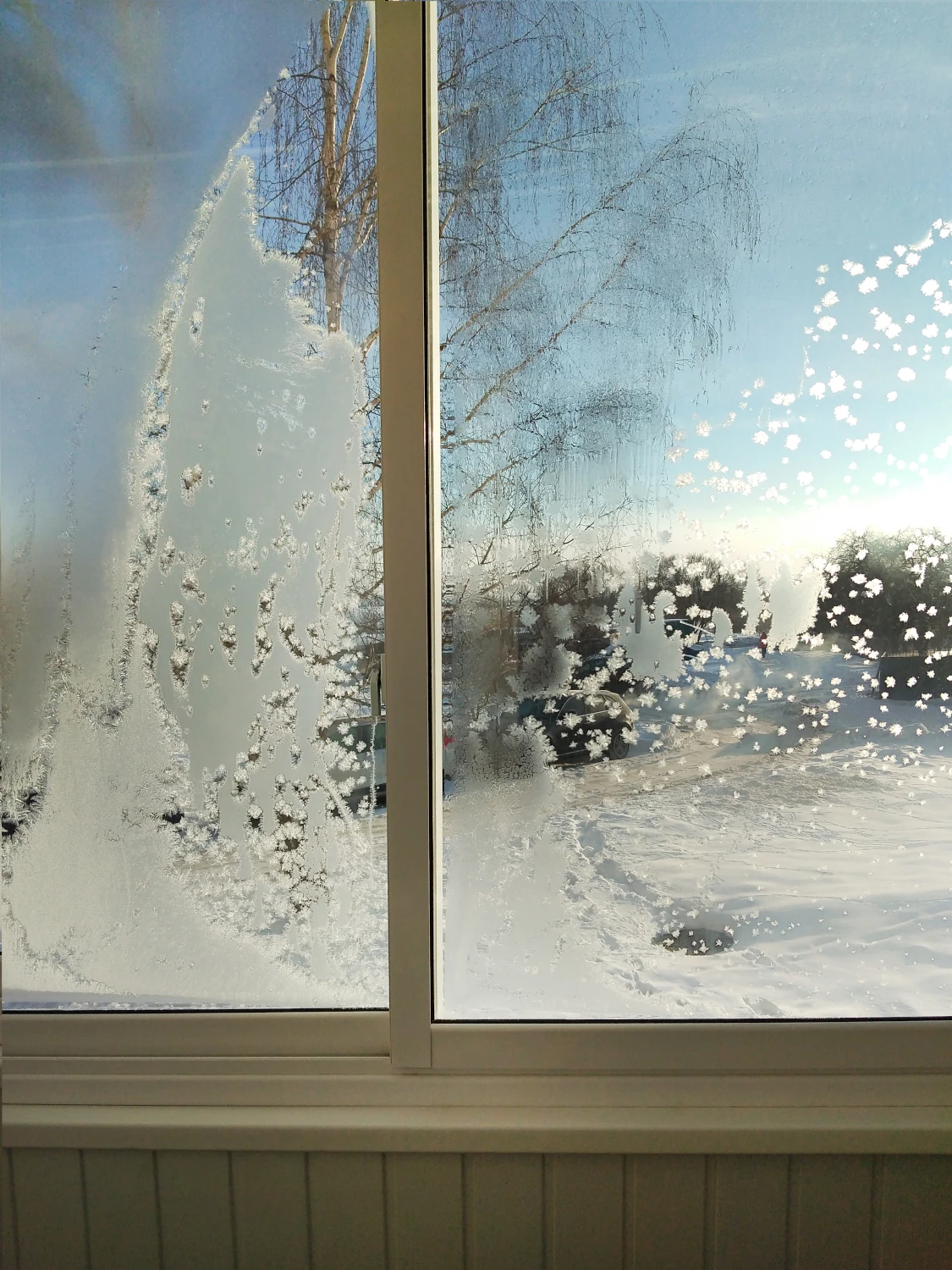
Of course, lifespan isn’t determined by material alone. Climate plays a major role. In Minnesota, we have harsh winters, hot summers, high humidity, or dramatic temperature swings, so we tend to see windows wear out faster. Frequent freeze thaw cycles, intense UV exposure, and storm activity all put extra stress on seals, frames, and glass.
Installation Quality
Installation quality is just as, if not the most important. Even the highest quality window can fail early if it wasn’t installed properly. Poor installation can lead to early seal failure, drafts, moisture infiltration, and reduced energy efficiency over time.
Product Quality
Window quality matters too. High end products often include better insulated glass units, advanced coatings, stronger frame materials, and superior manufacturing processes, all of which extend their lifespan. And while maintenance needs vary depending on the style and material, basic care goes a long way. Cleaning dirt from tracks, inspecting caulking, and caring for wood surfaces can add years to the life of your windows.
The Bottom Line
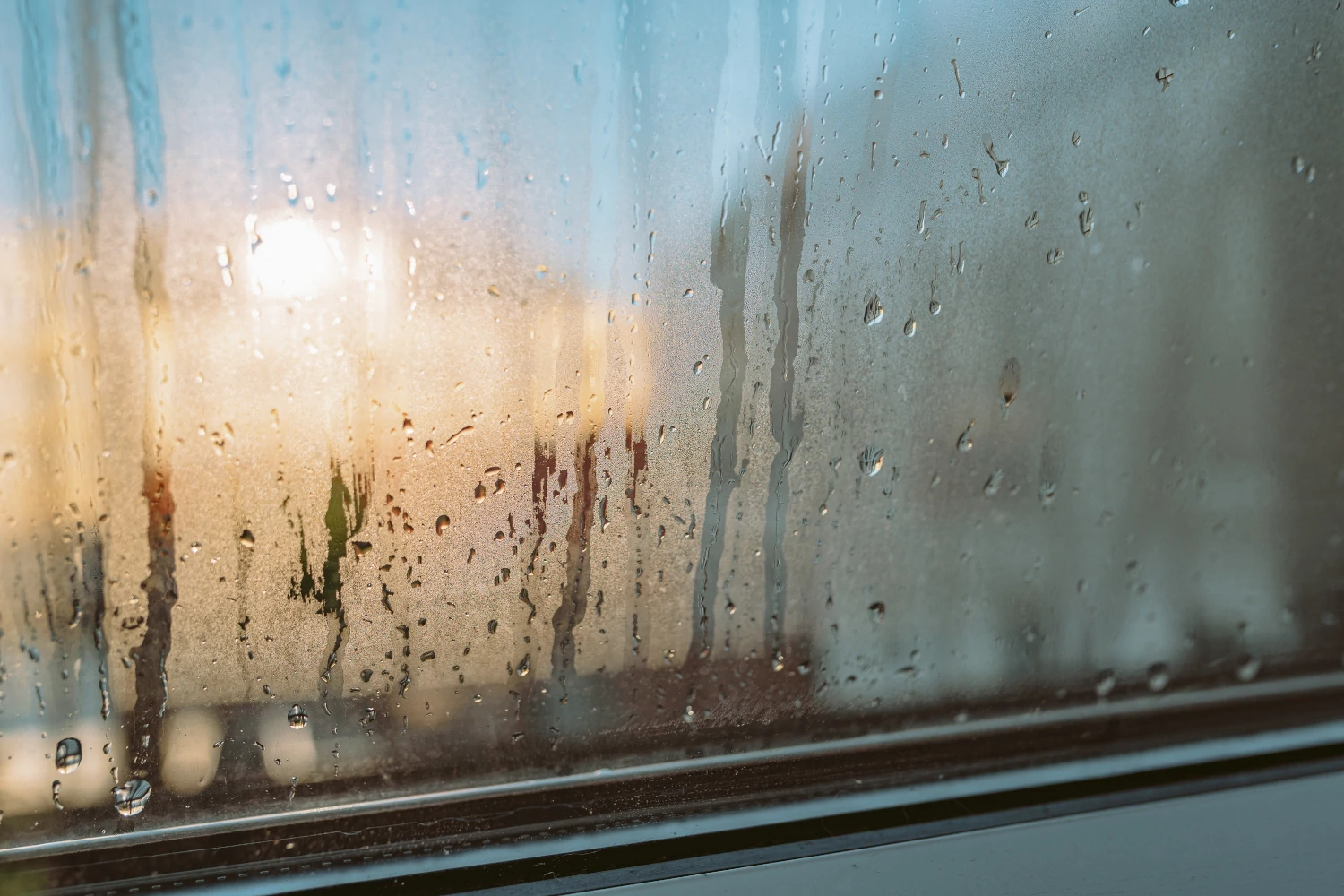
If you’re unsure whether your windows are reaching the end of their lifespan, pay attention to signs of aging. Fog or condensation between glass panes often means the seal has failed. Drafts around the frame, difficulty operating the window, or noticeable temperature transfer can signal that the window is no longer insulating properly.
Rising energy bills can also be a clue that your windows aren’t performing as well as they once did. Noise becoming more noticeable from outside, or visible damage like cracking or rotting frames are other indicators that replacement might need to be on the list of renovations soon.
Don’t wait until drafty, inefficient windows start costing you more in energy bills and comfort. Let Ryan Windows & Siding help you determine the best solution for your home with a professional evaluation and clear, straightforward pricing. Reach out today to get started on your window upgrade.